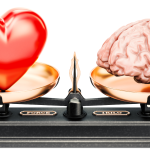

It seems everyone is talking about the acronym that for some is a beacon of hope, while for others it can cause stress and body image insecurity. Expectations to start GLP1s and societal pressure for everyone’s body to fit a certain mold seem to have intensified with the FDA approval for this weight-loss injectable. While the portrayal of tiny, almost unnatural-looking beauty standards and bodies and the use of AI editing to make photos and videos enhance culturally desirable body types can create a sense of body dysmorphia and unhelpful comparisons.
There have often been new weight loss drugs, diets, and procedures to address weight gain and dissatisfaction with the physical body. GLP1s seem to be a bit different. The advertisements have drawn criticism from Critical Discourse Analysis, which investigates how advertisements construct their messages, reporting that GLP-1 advertisements reinforce societal expectations of slimness and evoke emotional responses in audiences. These advertisements seem somewhat inescapable, from subway cars to social media ads, creating buzz and endless debate about who is taking GLP-1s and fueling internal debate about one’s own physical appearance. Changes in your body can cause emotional changes related to shifts in body image. Even no changes in your body can disrupt your body image, leading you to feel negatively or positively based on comparisons of your past or present body with others’ bodies. The impact of social media on your body image can be difficult to navigate: so many filters, edits, comparisons to other bodies, and AI-generated content. It is easy to get lost in the mindset of what you feel you should like instead of committing to acceptance of who you are and what your body is like.
There is also a concern about whether to lie or tell the truth when someone asks you if you are using GLP1s, which is a personal decision. It can feel intrusive for your own weight management journey, the social pressure to lose a certain amount of weight or look a certain way when taking GLP1s. There could also be the opposite questions if your weight fluctuates without using GLP-1s or if you have a different body type. Questions and pressure around GLP1s, others’ opinions about who “should” start the medication.
GLP1s, glucagon-like peptide-1 receptor agonists, are typically used to treat diabetes but have recently emerged as a new drug class for treating obesity. It has been a lifeline to many, offering hope and opportunity. GLP-1s trigger insulin release from the pancreas and help you feel full for longer by slowing gastric emptying. People prescribed GLP-1s report feeling less hungry; some even say they have less satisfaction from food.
GLP1s can trigger weight loss that once seemed impossible for some and can have many health benefits. It is important to speak with your primary care physician to determine whether this medication is appropriate for you. When searching for GLP1, the information and options to get a prescription seem endless; starting any new medication can cause worry, stress, anxiety, fear, and uncertainty about how your body will react to the medication. Side effects of GLP1s include vomiting, nausea, dizziness, diarrhea, loss of appetite, increased heart rate, headaches, infections, and indigestion. However, GLP1s have been proven to help regulate homeostasis in the brain. This regulation of stress can make external stressors easier to manage by keeping the body’s stress-handling biology in check.
Eating can become a coping mechanism that soothes anxiety, worry, stress, or negative emotions, providing a sense of comfort when emotions feel unregulated. GLP1 agonists can make this once satisfying coping skill feel uncomfortable and even painful, with the stomach staying full for longer and emptying faster. When there is no way to ease stress with a once-useful coping mechanism, it is difficult to know where to turn, how to quell racing thoughts, and how to find a sense of calm.
Any type of stress can create a biological response. Our cortisol levels will increase in response to stress, which can negatively affect our overall health. Cortisol helps us stay alert in situations where we feel threatened and activates our biological response; however, stress can keep our bodies in this heightened state, which can lead to weight gain, high blood pressure, and a heightened emotional state. Some may turn to unhelpful coping mechanisms such as binge or restrictive eating, substance use, avoidance, scrolling, and aggression. When cortisol spikes, having other outlets for that stress can be empowering and comforting.
Some methods to manage stress:
● Mindfulness, purposefully attuning to one thing at a time, meditation, walking without music, acknowledging all 5 of your senses, experiencing what the moment is. etc.
● Build small healthy habits where you are taking care of your body and mind, which helps with your emotional well-being, such as reading every day, hydrating more often, doing something creative every day, going outside every morning before other obligations, etc.
● Increasing positivity day to day, shifting mindset to see what you can be grateful for, what you’ve done right or even what is neutral rather than fixating on mistakes or negatives. Try to find one thing that went well when reflecting on your day at night, notice negative thoughts and reframe them, and find joy in everyday habits and the little things.
● Plan long-term goals that align with your values or dreams; break them down like running every day, starting months in advance for a race.
● Effective communication with others, speaking to what you need, respecting others’ needs, setting boundaries if needed, and being direct with your communication can help manage interpersonal stress.
● Take care of your body, nourish your body with regular healthy eating, sleep to rest your body 7-9 hours a night, avoid substances, add movement into your daily routine to release tension and stress.
● Seek support from a mental health professional to help find clarity in navigating your stress to find understanding, more peace of mind, and alternative skills to manage your own stress.