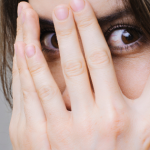

Have you ever been out with friends or at a family gathering and everyone is taking pictures? Someone suggests taking a selfie, and while everyone gets into position, you start stepping away and offering to take the picture instead of being in it. Do you find yourself saying, “I’m just not that photogenic”? For some, taking a selfie can feel awkward, uncomfortable, or even anxiety-provoking. Documenting everyday life has become part of our culture and is now normalized. A feeling of shame can start to show up when you go against the “Norm.”
Not liking selfies isn’t automatically a sign of insecurity. But how we react to seeing ourselves through a camera can reveal things you may not have known or realized about yourself. The question may be how we perceive ourselves and how we think others perceive us.
How Do You Feel When You See Yourself Through a Camera?
Seeing our lives through a camera can feel different from how we experience them day to day. When you take a photo, do you start by pointing out the positives or the negatives? Many people will say they look at the negatives first and overanalyze how they look. This can be a confusing experience. We develop our own image of ourselves, and sometimes, when we take a selfie and focus on the negatives, our self-perception is challenged. This is when what you see through the camera doesn’t align with how you see yourself.
Photos can feel like a wrong or different representation of who we are and our lives. For example, you might look back at a photo of you and an ex-partner and see you smiling, but in reality you and your ex were fighting, and you were the saddest you’ve ever been. This is when your self-awareness kicks in: you see a camera, you smile, no matter what you are actually feeling in the moment.
When we look at ourselves in the mirror or in a selfie, something is triggered: the familiarity effect. This is when we are used to seeing ourselves one way in the mirror, and then in a selfie it’s reversed. It is a strange feeling to realize how your physical self can shift. This self-discrepancy comes up: the person we believe we are, the person we want to be, and the person we think others see are all different. Sometimes discomfort isn’t with taking photos of themselves but with the expectations and judgments that come along with it.
Self-Esteem, Body Image, and Fear of Being Perceived
Why do so many people avoid taking selfies? Most of the time, it stems from dissatisfaction with one’s appearance or fear of judgment. Individuals who struggle with negative body image may find it difficult to take photos of themself. This can be challenging because photos can intensify attention toward perceived physical flaws. Some engage in constant self-criticism when looking at photos, either focusing on their weight, skin, features, smile, or other perceived imperfections. This can be amplified if others are in the photo and comparison arises. If an individual also struggles with perfectionistic tendencies, these can contribute as well. They may take tons of photos, but none meet their expectations. Self-comparison and social anxiety can exacerbate this feeling of being judged or compared.
This all ties to the spotlight effect. The spotlight effect is when we overestimate how much other people notice or pay attention to us. For example, you might believe everyone will notice that your smile is awkward or that people are judging you based on your appearance. Not everyone who doesn’t like selfies has poorself-esteem. Someone can still feel confident in their appearance while still disliking taking selfies.
Social Media, Comparison, and Looking “Picture Perfect”
Social media has changed what taking a photo means. It’s no longer just for memories; it’s for posting on someone’s Instagram or Facebook for strangers to look at. Social media has created an environment where photos are often carefully selected, edited, filtered, and curated. As a society, we’re constantly exposed to unrealistic expectations about beauty, attractiveness, and appearance. Comparison happens and is a part of human nature, but we have to start asking ourselves: what are we even comparing ourselves to? Is that truly what someone looks like, or is it AI-generated and filtered? We never see who someone really is on social media. You are seeing their highlight reel.
Some people don’t take selfies because they create a polished or idealized version of themselves. Others may dislike this because it’s being evaluated through likes, comments, and reactions. When we take photos and want to shift the perspective, we should ask ourselves, “Are we taking photos because we want to remember a moment or because we want others to see it?”
Perfectionism and Control
Those who struggle with perfectionism may feel the need to capture themselves at their best while taking photos. They repeatedly retake photos, adjusting their angles, changing their expressions, or criticizing small details about themselves. Perfectionism makes it difficult for the individual to stay present and accept that some photos may not align with their expectations. The camera creates the opportunity to evaluate from an outside perspective, which can encourage excessive self-monitoring. There is a difference between not liking taking selfies because you do not enjoy taking them and not liking taking selfies because you feel that no photo will meet your standards.
The perfectionistic mindset and thinking pattern can turn an otherwise harmless activity into an experience filled with self-judgment. Developing the ability to tolerate imperfection and practice self-compassion may help reduce the pressure around taking selfies.
What Does Your Relationship with Self-Image Look Like Outside the Camera?
When we look at our self-image andself-esteem outside the camera, it helps to ask ourselves some challenging questions.
● Do I dislike taking pictures, or do I dislike how I think I look in them?
● Am I uncomfortable being photographed, or am I uncomfortable with people seeing the photographs?
● Do I compare myself to others when looking at pictures?
● Do I feel pressure to look a certain way before I allow myself to take photos?
● Am I avoiding pictures because of personal preference or because of fear of judgment?
These questions will help you better understand your self-perception and how you compare yourself to others. We want to shift our thought process and introduce self-compassion. Start by recognizing that one picture or selfie doesn’t define your appearance, identity, or worth. Engage in less critical internal dialogue and shift to positive self-talk. Practice accepting that you can exist in photos without the need to look perfect. Your appearance is only one aspect of who you are!
You Don’t Have to Love Selfies to Feel Comfortable in Your Own Skin.
When we think about the idea of not liking the idea of taking selfies, there isn’t a universal psychological answer. It may be related to body image, social anxiety, perfectionism, or fear of judgment. For others, it could be a personal preference, a privacy concern, or a desire to experience life without documenting the moment. The goal isn’t to convince everyone to take selfies. Instead, it is to deepen your understanding of yourself and how you think others see you.
Your worth is not determined by how comfortable you are in front of the camera, how many “good” pictures you take, or who gets to see them. It’s learning to feel comfortable in your own skin, which has very little to do with the camera and everything to do with how you see yourself when no one is watching.